Islington removals common access problems and fixes
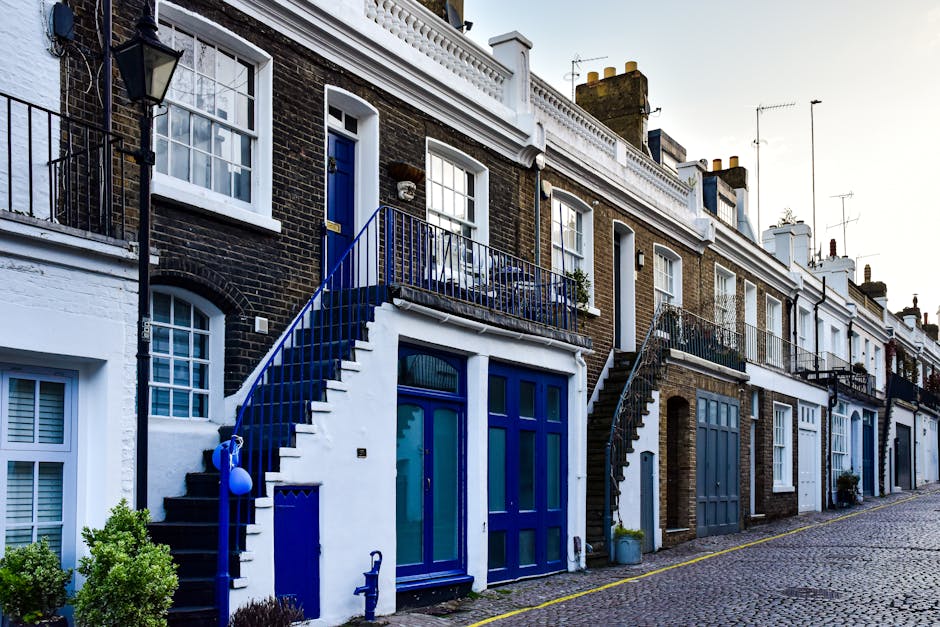
Moving in Islington can feel straightforward on paper, then suddenly a top-floor walk-up, a narrow stairwell, or a no-parking street turns the whole day into a puzzle. That is exactly why understanding Islington removals common access problems and fixes matters before the van arrives. The right preparation can save time, reduce stress, and stop small access issues from becoming expensive delays. In a borough shaped by period conversions, tight mews, busy roads, and modern apartment blocks, the details really do make the difference.
This guide breaks down the access problems you are most likely to run into, how removals teams deal with them, and what you can do before moving day to keep everything flowing. If you are planning a flat move, a family house move, or even a small man-and-van job, there is useful stuff here. Truth be told, most access problems are manageable once they are spotted early.
Why Islington removals common access problems and fixes Matters
Islington is one of those places where the street outside your front door can matter as much as the room inside it. A move can be delayed by something as ordinary as a parked car, a stairwell with awkward turns, or a lift that is smaller than the sofa. If you ignore access, you can end up paying for avoidable waiting time, extra handling, or a second visit. And nobody wants that on moving day, especially when boxes are already stacked by the front door and the kettle is barely plugged in.
Access problems also affect safety. Heavy furniture on tight stairs, repeated carrying over a long distance, or rushed loading on a narrow road can increase the chance of damage to belongings, walls, and people. A good plan is not just about speed. It is about protecting the move, the property, and everyone helping on the day.
For many households, access is the hidden part of the moving budget. The quote might look fine until the team discovers the van cannot park nearby or the building requires booking a lift. That is why local knowledge matters. If you are comparing removal companies in Islington, you should pay close attention to how they talk about access, not just price.
Expert summary: the best removals in Islington are usually not the cheapest on paper, but the most prepared in practice. Good access planning saves time, lowers risk, and makes the whole day feel calmer. Simple as that.
How Islington removals common access problems and fixes Works
The process usually starts with a short access check. That may be over the phone, through photos, or during an in-person survey for larger moves. The goal is to understand what the crew will face at both properties: parking distance, stair width, lift size, walking route, entry codes, turning space, and whether furniture needs partial dismantling. It sounds obvious, but a lot of moving trouble comes from assumptions.
Once the access picture is clear, the removals plan changes. A narrow staircase might mean smaller loads and more trips. A long walk from the van may mean extra labour time. Restricted parking might mean using a smaller vehicle, timing the arrival differently, or arranging a trolley route. In some cases, a move is split into stages, with bulky items sent to storage or moved first. For that kind of flexible planning, some customers also look at storage options in Islington so the rest of the move can happen without pressure.
A move can also be adapted by service type. A man and van in Islington setup may suit smaller, quicker jobs with limited access, while a more full-service approach may be better for flats with stairs, offices, or heavy furniture. It is not really about "best" in the abstract. It is about the right fit for the building and the street.
Most access fixes fall into a few practical categories:
- Space fixes: smaller vehicles, split loads, furniture dismantling, or shuttle runs.
- Timing fixes: earlier arrivals, off-peak loading, or tighter coordination with building staff.
- Route fixes: using the safest stair route, service entrance, loading bay, or lift sequence.
- Permission fixes: booking lifts, confirming access codes, or checking parking restrictions in advance.
- Handling fixes: extra blankets, sliders, straps, and more than one pair of hands for awkward items.
In our experience, the strongest moves are the ones where nobody is guessing on the day. Everyone knows where the van can stop, which items need special handling, and how long the route from door to van really is. That is what "good access" looks like in practice.
Key Benefits and Practical Advantages
When access is planned properly, you get more than a smoother schedule. You get a move that feels under control. That sounds small, but moving home or office is already one of those days where the brain is juggling ten things at once. Any reduction in friction helps.
Better cost control is one of the biggest benefits. If a removals team knows about a top-floor flat with no lift, a long carry to the van, or a tight alley, they can quote more accurately. That reduces the chance of awkward surprises later. If you want to understand how access and pricing can interact, the guide on avoiding hidden fees in Islington removals is worth a look alongside this article.
Less breakage is another clear advantage. Items are easier to protect when the route is planned. For example, a piano, wardrobe, or dining table may need a different route or extra lifting support. A specialist page like piano removals in Islington can be useful if you have one particularly awkward item that needs special care.
Lower stress matters too. Let's face it, nobody remembers the perfect move because the stairwell looked glamorous. They remember whether the sofa got stuck halfway down a landing. Planning access properly avoids that sort of drama. And yes, moving day has enough drama already.
More realistic scheduling is the quiet benefit people overlook. If parking is tricky, if the lift must be booked, or if the route is longer than expected, a sensible plan keeps the timetable honest. That is especially useful for tenants handing keys back, buyers waiting on completion, or offices trying to reopen quickly.
Who This Is For and When It Makes Sense
This guide is for anyone moving in or out of Islington where access is not completely straightforward. That includes a lot of people. Period terraces, mansion blocks, converted flats, new developments, student lets, offices, and upper-floor apartments all bring their own quirks.
You will benefit most if you are:
- moving from a flat with stairs or a tiny lift;
- living on a busy road where parking is tight;
- moving a sofa, bed, wardrobe, or piano through a narrow hallway;
- handling a small move where speed matters more than carrying capacity;
- moving into a managed building with booking rules or entry codes;
- running a commercial move where staff access, lifts, and loading bays need coordination.
If you are a student, access problems often show up as "just one more floor" or "the van can't stop outside." A smaller service can help, and student removals in Islington are often designed around quick, practical moves. If you are shifting a whole family home, the challenge is usually volume rather than speed, which is where house removals in Islington become more relevant.
It also makes sense if you are still in the planning phase of a move to the area. The article on buying a home in Islington can help you think about layout and building type before you commit, while the local area insight piece on Islington as a living area gives useful context on the kind of housing stock you are likely to find.
Step-by-Step Guidance
Here is a practical way to deal with access problems without overcomplicating the whole thing.
- Walk the route in advance. Start from the van's likely stopping point and walk to the front door. Then walk from the front door to the room where the largest items will come from. You will notice problems quickly: tight corners, low ceilings, awkward steps, or a front path that looks wider on paper than it does in real life.
- Measure the awkward bits. Door widths, stair turns, lift dimensions, and any hallway pinch points matter. Even rough measurements are better than guesswork. If a wardrobe is likely to need dismantling, find out before moving day, not during it.
- Check parking and stopping options. Ask where the vehicle can legally stop, how long loading may take, and whether the nearest spot is actually usable with furniture in hand. In Islington, this can be the difference between a tidy load and a long uphill carry that nobody enjoys.
- Tell the removals team about building rules. Entry codes, concierge desks, lift bookings, service entrances, and time slots all need to be shared early. One forgotten code can hold everything up for 20 minutes or more. Sometimes more. Bit annoying, really.
- Separate bulky and fragile items. If a sofa, mattress, mirror, or piano needs special handling, flag it clearly. Special items may need extra padding, extra people, or a different route. That is normal.
- Decide what goes in the van first. The loading order should reflect access. Heavier, sturdier items usually go first, while fragile items are kept safe and stable. For smaller, faster jobs, a man with a van in Islington can be a good fit when the volume is limited but the access still needs careful handling.
- Have a fallback plan. If the lift fails, the parking space is blocked, or the weather becomes awkward, what happens next? A simple backup plan may involve extra hands, a delayed window, or temporary storage.
That is really the whole game: observe, measure, communicate, and stay flexible. The move gets easier when the unknowns are reduced early.
Expert Tips for Better Results
After enough moves, a few patterns start to show. The biggest wins come from small habits rather than grand gestures.
First, send photos. Pictures of hallways, staircases, entrance doors, parking bays, and any awkward corners are often more helpful than a long explanation. One decent photo can reveal more than a paragraph of text. A stairwell that looks "fine" in your head may suddenly look like a narrow zig-zag in a phone image.
Second, keep a realistic loading window. Do not schedule the move as if the path from flat to van is a straight line. In Islington, it rarely is. A long carry, a couple of flights of stairs, or a shared entrance can quietly stretch the timetable.
Third, dismantle early if needed. If a bed frame, table, or shelving unit is going to be awkward, take it apart before the van arrives. Waiting until everyone is standing around with screwdrivers is not ideal. Small aside, but this is one of those "future you will be grateful" jobs.
Fourth, protect walls and corners. Narrow access routes often mean more contact with surfaces. Good padding, careful turning, and a calm pace reduce scuffs and dings. In a rented flat, that can spare you a deposit headache later.
Fifth, match the service to the move. If the access is awkward but the load is modest, a flexible service such as man and van removals or a removal van arrangement may be more practical than a larger setup. For bigger, more structured moves, a full team may be the smarter choice. Not fancy. Just sensible.
If you are moving an office, timing becomes even more sensitive. Building access windows, lifts, security staff, and staff handovers need to line up. The page on office removals in Islington is useful if your move needs to stay organised around working hours.
Common Mistakes to Avoid
Most access problems are fixable. The trouble starts when people assume the issue will sort itself out.
- Assuming the van can park outside. It might, or it might not. Do not bank on luck.
- Forgetting building rules. A concierge desk, lift booking, or access code can be the one thing that slows everything down.
- Underestimating the route length. A "quick walk" from van to flat can become a long haul if the parking space is not close.
- Not mentioning difficult furniture. Oversized sofas, American-style fridge freezers, and pianos need advance notice.
- Booking the wrong type of service. A large team is not always needed, but a tiny service is not always enough either.
- Leaving packing too late. If boxes are still open and furniture is not prepped, access issues feel worse because everything takes longer.
One of the most common oversights is not considering how access affects insurance and safety. If something is carried through a tight area without proper handling, the risk goes up. It is worth reviewing a provider's insurance and safety approach before you book, especially if you have valuable or awkward items.
Another mistake is skipping the boring admin. Contracts, payment terms, and what happens if access changes on the day are all dull topics until they are suddenly very important. That is why pages like terms and conditions and payment and security are worth checking early. Not glamorous, but helpful. Very helpful.
Tools, Resources and Recommendations
You do not need a truck full of equipment to manage access well. A few practical tools make a big difference.
| Tool or resource | What it helps with | Why it matters |
|---|---|---|
| Phone photos and short videos | Showing staircases, hallways, doors, and parking access | Gives a removals team a clearer picture than text alone |
| Tape measure | Checking door widths, furniture dimensions, and lift clearances | Helps avoid last-minute dismantling surprises |
| Labels and colour markers | Identifying which items need special handling or which room they belong to | Makes loading and unloading faster |
| Packaging materials | Protecting corners, glass, and delicate surfaces | Reduces damage on narrow routes |
| Temporary storage | Splitting the move when access or timing is awkward | Useful when the full move cannot happen in one clean run |
For packing support, the guide to packing and boxes in Islington is a sensible companion piece. If the move involves bulky furniture that needs careful dismantling or protection, furniture removals in Islington may be the better starting point. And if you are looking at a bigger picture of what is available, the services overview gives a useful sense of the options without overcomplicating things.
There is also value in choosing a provider that shows clear trust signals. An honest about us page can tell you a lot about how a company works, while a transparent pricing and quotes page can help you compare like with like. Those are the small checks that often make the difference.
Law, Compliance, Standards, or Best Practice
For most home removals, the practical focus is not on complicated legal theory. It is on standard UK moving best practice: safe lifting, honest quotes, clear communication, and respecting building or parking rules. That said, compliance still matters.
At a basic level, removals teams should work with sensible health and safety practices, especially where lifting, carrying, and loading are involved. Customers should expect clear communication about access hazards, item handling, and any limitations on the day. If you are moving in a managed block, the building may also have its own rules for lift bookings, loading bays, and delivery times. Those rules are not a nuisance just for the sake of it; they are there to keep shared spaces working smoothly.
It is also sensible to check how the company handles complaints, privacy, sustainability, and ethical standards. These do not directly solve a narrow staircase, of course, but they tell you a lot about the organisation behind the move. You can review a provider's complaints procedure, privacy policy, recycling and sustainability approach, and modern slavery statement if you want a fuller picture of their standards.
Best practice note: if a move depends on a lift booking, parking permission, or timed access, get it confirmed in writing. A quick message is better than a memory that gets fuzzy at 6:30 the next morning.
Options, Methods, or Comparison Table
Different access problems call for different responses. Here is a simple comparison to help you think it through.
| Situation | Best-fit method | Why it works |
|---|---|---|
| Short move with limited furniture | Man and van or smaller removal vehicle | Flexible for tight streets and quicker loading |
| Top-floor flat with awkward stairs | Full removals team with careful manual handling | Extra hands help manage turns, lifts, and heavy items safely |
| Bulky or fragile single item | Specialist furniture or piano service | Reduces handling risk and allows the route to be planned properly |
| Move affected by timing gaps | Storage plus staged delivery | Gives you breathing space if access is not available all at once |
| Office move with building restrictions | Coordinated office removal plan | Helps align access windows, staff, and building rules |
If you need something quick because access is unexpectedly tricky, same-day options can sometimes help, provided the load and location suit the service. See same day removals in Islington for a sense of when that kind of service may be useful. And for smaller, more adaptable moves, a man with a van in Islington can be a pragmatic choice.
Case Study or Real-World Example
Picture a third-floor flat near a busy Islington street. No lift. A long staircase. The sofa looks fine in the living room, but once you get to the first bend, you realise the angle is tighter than expected. There is also a parked car outside, so the van ends up a short walk away rather than directly at the door.
In a move like that, the fix is rarely dramatic. The team might remove the sofa legs, wrap the corners, send one person ahead to manage the route, and carry smaller loads rather than trying to rush the whole job at once. A careful loading order helps. Boxes first, then lighter furniture, then the awkward pieces once the route is clear and everyone knows the turns. If the lift is not available, there is no point pretending otherwise; you simply work with the stairs and keep the pace steady.
Now add one more detail: the customer has a large bookcase that will not fit through the hallway unless it is dismantled. If that is spotted early, the move stays calm. If it is discovered while people are standing around in the landing with tools and bad coffee, the mood changes fast. We have all been there, or close enough.
This is why local awareness matters. The same street can feel easy to walk on a normal day and awkward on a removal day when you are carrying a mattress and trying not to bump a wall. A move in Islington often succeeds because the team expects those little complications, not because the street suddenly becomes easier.
Practical Checklist
Use this checklist before moving day. It is simple, but it catches a surprising number of problems.
- Confirm the exact address, floor level, and whether there is a lift.
- Measure the largest furniture pieces and the narrowest access points.
- Check where the van can legally stop and how far the carry will be.
- Share entry codes, concierge details, and building rules in advance.
- Identify any fragile, valuable, or especially heavy items.
- Decide whether furniture needs dismantling before the move.
- Prepare protective materials for corners, floors, and surfaces.
- Ask whether the move needs storage, a smaller vehicle, or extra labour.
- Keep essential items separate: keys, chargers, documents, kettle stuff. The important bits.
- Confirm the quote, schedule, and any access-related conditions in writing.
If you are still choosing who to book, compare your options carefully. A strong removal services provider should be happy to talk about access before they talk about moving boxes. That is usually a good sign.
Get a free quote today and see how much you can save.
Conclusion
Islington removals do not have to be complicated, but access problems are common enough that they deserve proper attention. Narrow stairs, parking restrictions, small lifts, shared entrances, and awkward furniture are all part of the local moving landscape. The good news? Most of these issues have straightforward fixes when they are identified early and handled with a bit of care.
The real win is not perfection. It is preparation. When the route is measured, the building rules are checked, and the service matches the property, moving day becomes far less stressful. You end up spending less time worrying about the stairwell and more time settling into the new place. That is the goal, after all.
And if you are still at the planning stage, keep going with small, practical steps. Ask questions, compare quotes honestly, and make access part of the conversation from the start. It pays off. Almost every time.
Frequently Asked Questions
What are the most common access problems in Islington removals?
The most common issues are narrow staircases, limited parking, small lifts, long carry distances, and building rules around entry or loading. Period properties and converted flats tend to create the most awkward routes.
How do removal companies fix tight access in Islington?
They usually adapt the plan with smaller loads, more handling support, furniture dismantling, careful route planning, and sometimes a different vehicle size. If needed, they may suggest storage or a staged move.
Should I tell the removals team about access problems before booking?
Yes, absolutely. The earlier you explain the stairs, parking, lift, or building access, the more accurate the quote and the better the plan. Surprises on moving day are rarely helpful.
Is a man and van service enough for awkward access?
Sometimes yes, especially for smaller moves. But if the property has multiple flights of stairs, bulky furniture, or difficult parking, a fuller removals setup may be safer and faster.
Do I need to measure doors and staircases?
It is strongly recommended. Even rough measurements help avoid problems with sofas, wardrobes, beds, and other large items. A quick tape measure can save a lot of hassle.
What if the van cannot park right outside my property?
That is common in Islington. The team may need to park further away and carry items over a longer distance, use a smaller vehicle, or plan a different loading window. It is manageable, but it should be factored in early.
Can I move a piano through narrow access?
Possibly, but it depends on the route, the size of the piano, and the layout of the property. Pianos are best treated as specialist items because they are heavy, awkward, and easy to damage if rushed.
Will access problems make my move more expensive?
They can, because extra time, extra labour, or extra equipment may be needed. A clear access description usually helps keep pricing fair and realistic rather than unexpectedly high later.
What should I do if my building has lift booking rules?
Book the lift as early as possible and share the details with the removals team. If the lift booking changes, let them know immediately so the move can be adjusted.
Is storage useful when access is difficult?
Yes. Storage can help if the full move cannot happen in one go or if access is delayed on one side of the move. It is especially useful for large items or staged handovers.
How do I avoid damage in narrow hallways and stairwells?
Use proper padding, move at a steady pace, clear the route in advance, and make sure the team knows about tight corners and low ceilings. Calm handling usually does more than speed ever will.
Where can I get help if I am unsure what service I need?
Start by looking at the provider's service pages and pricing information, then explain your access situation clearly. If the move is more complex, the team can usually point you toward the most suitable option.