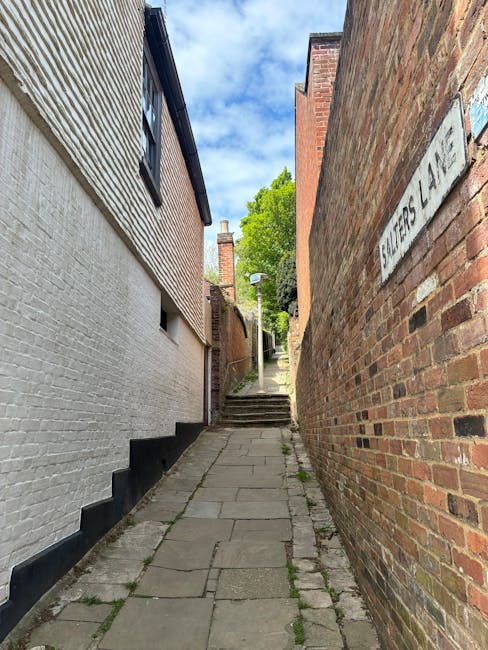
Camden Passage Small Move Removals for Narrow Lanes: A Practical Local Guide
Moving in Camden Passage can feel deceptively simple from the outside. It is a short journey, a small flat, maybe a few boxes and a sofa, so how hard can it be? Then you meet the narrow lanes, awkward kerb space, busy foot traffic, tight turning points, and the reality of getting a van close enough without causing a scene. That is where Camden Passage small move removals for narrow lanes becomes a very specific kind of job: less about brute force, more about planning, timing, and knowing the local rhythm.
This guide breaks down how small removals work in tight central London streets, what to expect on moving day, and how to avoid the common headaches that make a short move feel far bigger than it should. If you are comparing services, you may also find it useful to look at man with a van services in Islington, flat removals in Islington, and the broader services overview for a clearer sense of what a small move can include.
Truth be told, the difference between a smooth move and a stressful one is often not the amount of furniture. It is access. Narrow lanes change everything.
Table of Contents
- Why Camden Passage small move removals for narrow lanes Matters
- How Camden Passage small move removals for narrow lanes Works
- Key Benefits and Practical Advantages
- Who This Is For and When It Makes Sense
- Step-by-Step Guidance
- Expert Tips for Better Results
- Common Mistakes to Avoid
- Tools, Resources and Recommendations
- Law, Compliance, Standards, or Best Practice
- Options, Methods, or Comparison Table
- Case Study or Real-World Example
- Practical Checklist
- Conclusion
- Frequently Asked Questions
Why Camden Passage small move removals for narrow lanes Matters
Camden Passage has its own character. It is charming, yes, but also awkward in the very practical sense that matters on moving day. Narrow lanes, limited loading space, pedestrians, cyclists, market activity, and nearby traffic all combine to make even a modest move more complex than a straight suburban one. A small removal in this setting is not just a mini version of a house move; it is a planning exercise built around access.
The reason this matters is simple: if the van cannot get close enough, every item has to travel further by hand. That means more time, more lifting, more risk of damage, and a greater chance of delays. A single tight corner can affect the whole schedule. In our experience, the best outcomes come from treating the route as carefully as the packing list. A narrow lane is not a side note. It is the main event.
If you are new to the area, local context helps too. Reading about what makes Islington such a liveable area can give you a better sense of why access around here is often a compromise between old streets and modern living. Lovely place to live, not always lovely to park.
Key takeaway: in narrow-lane moves, access planning matters more than vehicle size alone. The right small-move setup can save time, protect belongings, and reduce disruption.
How Camden Passage small move removals for narrow lanes Works
A well-run small move in Camden Passage usually starts before the van arrives. The goal is to figure out where the vehicle can stop, how far items will need to be carried, and whether anything bulky needs to be dismantled or loaded in a particular order. There is often a subtle bit of choreography to it. Not dramatic, just careful.
Most professional small move removals follow a pattern like this:
- Access review: The team asks about lane width, entry points, stairs, lift access, nearby restrictions, and where loading is possible.
- Vehicle choice: A compact removal van or man and van option is often better than a larger truck in tight streets.
- Load plan: Heavier items go first, fragile items are protected, and the order is arranged to minimise double-handling.
- Manual carry route: If the van has to park at a distance, the crew maps the safest and quickest walking route.
- Delivery and placement: Items are carried in, positioned, and checked off so nothing gets left behind in the rush.
Small moves are usually more flexible than full house removals, but flexibility only works if the access information is accurate. A "quick job" can turn into a slow one if nobody has accounted for a lane that only fits one vehicle at a time, or a doorway that looks wide until you meet the turn into the hallway. Happens all the time, honestly.
If your move is especially urgent, same day removals in Islington may be relevant, but same-day work in narrow lanes still needs realistic access checks. Speed is useful. Guesswork is not.
Key Benefits and Practical Advantages
People usually think small removals are only about saving money, but the real advantages are broader. When the job is designed properly, the entire move becomes less tiring and less exposed to risk. That matters even if you are only moving a few streets away.
- Better access control: Smaller vehicles are easier to position near tight lanes, awkward corners, and restricted streets.
- Less handling stress: With a sensible loading strategy, your furniture and boxes are moved fewer times.
- Faster turnaround: For a compact move, a well-planned small vehicle can be quicker than waiting around for a large lorry to squeeze in.
- Lower disruption: Neighbours, pedestrians, and local traffic are less affected when loading is efficient.
- More cost control: You are paying for the right size of service rather than over-committing to a bigger operation than you need.
There is also a practical psychological benefit that people underestimate. A smaller, organised move feels manageable. You can actually see progress. Boxes leave one space and appear in another. That sounds simple, but during a London move, simple is gold.
For customers who are shifting into a flat, combining this approach with packing and boxes support can make the day noticeably calmer. And if you need somewhere temporary for overflow items, storage in Islington can take the pressure off.
Who This Is For and When It Makes Sense
This type of move is ideal for people who do not need a full-scale removal lorry but do need proper handling and local know-how. That sounds obvious, but it covers more situations than you might think.
You may benefit from Camden Passage small move removals for narrow lanes if you are:
- moving from or into a studio, one-bed flat, or compact apartment
- relocating a few pieces of furniture, rather than an entire household
- moving between nearby Islington streets where access is tricky
- trying to avoid parking problems with a larger van
- moving on a weekday with limited loading flexibility
- upgrading or downsizing and only taking selected items
- handling a last-minute move that still needs careful carrying
It also makes sense for students and young professionals who often have a mix of boxes, a desk, a mattress, and some furniture that looks smaller on paper than it feels in your hands. If that sounds familiar, student removals in Islington can be a good fit for lighter, faster moves.
A good rule of thumb? If access is awkward but the load is modest, small-move removals are usually the smart middle ground.
Step-by-Step Guidance
Here is a practical way to approach the move without letting the narrow lanes become the main source of stress. It is not complicated, but it does reward good prep.
1. Measure what matters
Do not just count boxes. Measure the largest items, especially wardrobes, beds, sofas, dining tables, or anything with a fixed frame. Then think about the building access too: stairs, door widths, corners, lift size if there is one. That little second bend at the top of the stairs? It matters more than people expect.
2. Share access details early
Tell the removals team about lane width, parking restrictions, roadworks, market times, and any restrictions at the building. If you have a loading bay, mention whether it is booked or open. Early detail helps the team choose the right vehicle and plan the right arrival window.
3. Decide what travels together
For small moves, every item should earn its place in the van. If something is better taken later, sent separately, or put into storage, say so before moving day. That is especially helpful if you are downsizing or waiting for keys on the other end.
4. Protect the fragile things
Use proper wrapping for glass, mirrors, lamps, and awkward decorative pieces. The key is not just cushioning; it is preventing movement inside the box. Loose items rattle, then chips happen. That is the boring truth of it.
5. Load in the right order
Heavier, sturdier items should go in first, with soft layers and careful stacking around them. Light but fragile pieces should not be trapped under a sofa because someone was rushing. A good crew keeps the sequence efficient without getting careless.
6. Confirm arrival and final sweep
Before the vehicle leaves, check rooms, cupboards, under beds, and behind doors. Small moves often involve smaller loads, which makes it easy to overlook a lamp shade or a box tucked away by the hallway. Five minutes of checking can save hours later.
For help with a more general move structure, the broader removals in Islington page is useful, especially if your move starts as "just a small one" and quietly grows.
Expert Tips for Better Results
A few field-tested habits make a noticeable difference. They are not glamorous, but they work.
- Choose the right time window: Early mornings can be calmer in busy areas, though local conditions vary. Avoid guessing. Check what the lane is actually like at the time you plan to move.
- Label boxes by room and priority: "Kitchen - first open," "Bedroom - later," and so on. It sounds basic, but it makes unloading faster and less chaotic.
- Keep a narrow-lane kit ready: A torch, gloves, phone charger, tape, marker pen, water, and keys in one bag. Nothing fancy.
- Use furniture covers where needed: Tight spaces often mean more contact with walls and doorframes. Soft protection is worth it.
- Be realistic about parking: If the van cannot sit right outside, plan for a carry distance. Better to know now than be surprised later while standing in the road thinking, "oh dear."
One small but valuable tip: keep essential items separate from the main load. Documents, chargers, medication, pet supplies, and a kettle if you are moving into a bare flat. That first tea matters more than people admit.
If your move involves a valuable or awkward item, such as a keyboard or upright, it may be worth checking the specialist piano removals in Islington service. Narrow lanes and delicate items are a combination that deserves proper handling, not optimism.
Common Mistakes to Avoid
A lot of the pain in small removals comes from assumptions. Most of them are fixable if you spot them early.
- Assuming a larger van is better: In narrow lanes, a huge vehicle can actually slow everything down.
- Not checking the route on foot: If you can walk the final approach, do it. You will notice obstacles the sat nav will never mention.
- Underestimating stair turns: A sofa that fits through the door may still fail at the landing.
- Packing too late: Half-packed boxes create confusion, and confusion creates delay.
- Forgetting building rules: Some properties have access restrictions, lift bookings, or time windows. If you are in a managed building, ask early.
- Failing to separate essentials: Basic items buried in the van cause avoidable stress at the end of the day.
There is a tendency to think small moves are easy enough to "wing it." That rarely ends well in Camden Passage. Narrow lanes punish improvisation. Not always, but often enough that it is worth being careful.
For guidance on broader moving processes and service expectations, you may also want to review removal services in Islington and the company's insurance and safety information.
Tools, Resources and Recommendations
You do not need a van full of specialist kit to complete a small move, but the right tools do make the day smoother. A few practical items go a long way.
| Item | Why it helps | Best use in narrow lanes |
|---|---|---|
| Furniture blankets | Protects wood, paint, and upholstery | Useful when carrying items through tight hallways and doorframes |
| Removal straps | Improves grip and balance | Helpful for awkward carries from van to property |
| Strong tape and marker pens | Keeps boxes secure and labelled | Speeds up loading and room placement |
| Small dolly or sack truck | Reduces manual lifting | Only if the path is smooth enough and safe to roll |
| Flat-pack tools | Helps dismantle beds and shelves | Makes it easier to move bulky items through narrow access points |
For people who want a slightly simpler setup, a man and van in Islington arrangement can be a sensible fit for a smaller load, while furniture removals work well if the job is more about a few larger pieces than a full household.
And if you are comparing providers, the pricing and quotes page is a useful place to understand how small-move jobs are usually structured. Transparent pricing matters more than people think, especially when access conditions may affect labour time.
Law, Compliance, Standards, or Best Practice
For a small move in a narrow lane, there are a few practical standards and expectations worth respecting, even if no one is standing there with a clipboard. You do not need to become a transport expert, but you should understand the basics.
Parking and access: Local parking rules, loading restrictions, and time-limited access arrangements can affect where a van may stop. In London, this is often the difference between a smooth move and a long carry. Check building instructions and local restrictions in advance where possible.
Health and safety: Safe lifting, clear walkways, and sensible load handling matter even for short jobs. A removal team should plan to reduce strain and avoid damage to the property. If you want more detail on working practices, the health and safety policy is worth reading.
Insurance and responsibility: It is wise to know what is covered before moving day. Accidents are rare when teams are careful, but "rare" is not the same as "impossible." A clear understanding of coverage and process helps everyone.
Property and building rules: Managed blocks, conversions, and older buildings often come with access rules, lift bookings, or limits on loading times. If you are moving into or out of a flat, this becomes part of the job, not an afterthought. The guide on flat removals in Islington covers that side of things well.
Best practice, simply put, is to communicate early, protect the property, lift properly, and avoid making assumptions about access. That is the boring-but-valuable part of good removals work.
Options, Methods, or Comparison Table
Different move types suit different loads. If you are deciding between a compact team, a van-only arrangement, or a fuller removal service, this comparison should help.
| Option | Best for | Pros | Potential downside |
|---|---|---|---|
| Man and van | Very small loads, flexible access, nearby moves | Compact, efficient, often easier in narrow lanes | Less suitable for larger furniture or multiple heavy items |
| Small removal van | Light to medium loads, careful access, a few bulky pieces | Balanced capacity and manoeuvrability | May still require manual carrying if parking is limited |
| Full removals team | Flats or homes with more furniture and packing needs | More support, more handling capacity, more structure | Can be more than you need for a tiny move |
| Self-move | Very low-budget moves with minimal items | Flexible timing | Higher personal effort, more risk, parking and loading stress |
For most Camden Passage narrow-lane situations, the sweet spot is usually between man and van and a compact removals setup. If you are unsure, ask for advice before you commit. A good provider should help you scale the service to the job, not push you into something oversized.
Case Study or Real-World Example
Here is a realistic example from the sort of move people often face in this part of Islington. A person is leaving a one-bedroom flat near Camden Passage and moving a short distance away. They have a bed frame, mattress, two shelving units, a desk, six boxes, and a couple of fragile kitchen items. On paper, it sounds straightforward.
The complication is access. The street is narrow, the best stopping point is a little way from the entrance, and the building has a tight internal stairwell. Rather than sending a large vehicle and hoping for the best, the move is planned around a smaller van with a clear loading sequence. Shelving is dismantled first, the mattress is wrapped, the boxes are grouped by room, and fragile items are marked clearly. The crew carries a few items by hand from the van because parking directly outside is not possible.
The result is not glamorous. No one is cheering. But the move stays controlled, nothing gets dragged, and the tenant is settled in without a pile of chaos in the hallway. That is the kind of win people want on moving day.
In a slightly more complex version of the same scenario, temporary storage may be needed if keys do not line up exactly. That is where storage solutions become very handy. It is not failure; it is just sensible planning.
Practical Checklist
Use this checklist before the van arrives. It is short on purpose. You do not need another complicated thing to remember.
- Confirm the moving date and arrival time
- Share exact access details for Camden Passage or the surrounding lane
- Measure large items and awkward furniture
- Check whether parking or loading space is available
- Label boxes by room and priority
- Pack fragile items with enough internal cushioning
- Separate essentials for immediate use on arrival
- Arrange dismantling tools if needed
- Keep keys, documents, and phone charged and accessible
- Walk through both properties for forgotten items before departure
- Ask about insurance, safety, and any special handling needs
If you want to read more about the company background before booking, the about us page is a sensible place to start. It helps build trust, especially if you are inviting a team into a tight and busy area of London.
Conclusion
Camden Passage small move removals for narrow lanes are less about size and more about precision. The best move is usually the one that respects the limits of the street, the building, and the time window rather than trying to overpower them. When the access is tight, the right van size, a clear plan, and proper packing make a bigger difference than most people expect.
Whether you are moving a few furniture pieces, a compact flat, or a short-distance load with awkward access, the goal is the same: protect your belongings, reduce stress, and make the day feel manageable. That is absolutely possible with the right setup. And honestly, once the last box is inside and the kettle is on, it all feels a lot more bearable.
If your move is coming up soon, keep the process simple: plan access early, pack well, and choose a service that understands narrow lanes rather than treating them as an afterthought. That little bit of care goes a long way.
Get a free quote today and see how much you can save.
Frequently Asked Questions
What makes Camden Passage small move removals different from a normal move?
The main difference is access. Camden Passage and the surrounding narrow lanes can limit where a van can stop, which changes how the move is planned, loaded, and carried. The job is often smaller in volume but more demanding in logistics.
Is a man and van enough for a small move in a narrow lane?
Often, yes. If the load is modest and the route is tight, a compact man and van service can be the most practical choice. It still depends on how much furniture you have and how awkward the access is.
How do I know if the street is too narrow for a larger vehicle?
If parking is limited, turning space is tight, or the lane is busy enough that a large van would block traffic, a smaller vehicle is usually safer. If you are unsure, give the access details to the removals team and let them advise before moving day.
Should I dismantle furniture before the move?
If a bed frame, table, or shelving unit is bulky enough to create problems at doors or corners, yes, dismantling is usually worth it. It makes carrying easier and reduces the chance of scuffs or snags.
Can small move removals still include fragile items?
Absolutely. Fragile items can be moved safely if they are packed properly and clearly separated from heavier goods. Glass, mirrors, lamps, and ceramics need extra care, even on short local moves.
What if the van cannot park right outside my property?
That is common in narrow lanes. The crew may need to carry items a short distance from the van to the property. This is normal, but it should be planned in advance so the timing and labour fit the job.
How far in advance should I book?
For a straightforward local move, earlier is usually better, especially if you need a specific time slot. If your move is urgent, a same-day option may be available, but access details still need to be clear.
Do I need storage if my dates do not line up?
If one property is not ready when the other is, storage can be a very practical bridge. It is especially useful for compact moves where only some items can travel immediately. A small delay becomes a lot less stressful with the right holding plan.
How do pricing and quotes usually work for small removals?
Pricing depends on load size, travel time, handling effort, access conditions, and whether packing or storage is involved. Narrow lanes can affect the quote if they add carry distance or require extra planning. It is best to request a detailed estimate rather than a rough guess.
Are small move removals suitable for students or renters?
Yes, very much so. Smaller loads, compact flats, and quick move dates are exactly where this type of service is useful. It is a good fit for renters, students, and people moving between nearby London streets.
What should I tell the removals company before moving day?
Share the exact address, access restrictions, parking options, lift details, stair counts, large item sizes, and any fragile or valuable pieces. The more accurate the information, the smoother the move will be.
Is insurance important for a small local move?
Yes. Even small moves involve lifting, carrying, and tight spaces, so it is sensible to understand what is covered. Ask about insurance and safety procedures before booking so there are no surprises later.
What if I only have a few items but one is very heavy?
That still counts as a removal job. A heavy item like a piano, large wardrobe, or solid furniture piece may need specialised handling even if the rest of the move is tiny. In that case, a dedicated service is usually the safer choice.
Can I combine packing help with a small move?
Yes. Many people do exactly that because it saves time and reduces stress. If packing is the part you are dreading, asking for help with boxes and wrapping can make the whole day feel far more manageable.